
2026 App Challenge Sees a 40% Submission Increase With AI at the Forefront
17,211 participants, 6,449 original apps, and 387 Members of Congress hosting across all 50 states.
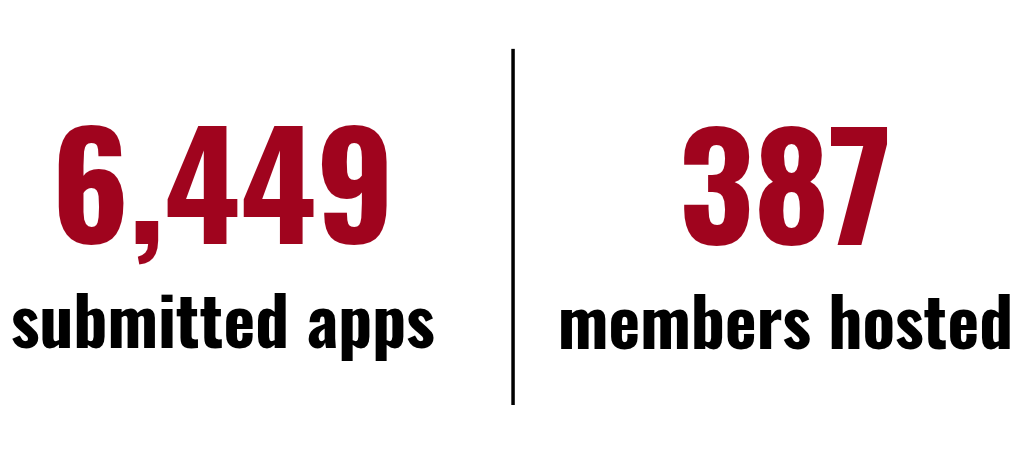
The 2026 Congressional App Challenge officially closed on October 26, marking another record-breaking year for the nation’s largest student coding competition. This year, 17,211 students registered to participate, with 6,449 original applications submitted to the U.S. House of Representatives. That’s an increase of nearly 40% over the 4,650 apps submitted in 2025 and represents the largest number of applications in the program’s history.
With 387 Members of Congress hosting the competition and submissions from all 50 states and beyond, the Congressional App Challenge continues to provide young Americans with an opportunity to learn computer science, develop technical skills, and share their work with their elected representatives.
With 387 Members of Congress hosting the competition and submissions from all 50 states and beyond, the Congressional App Challenge continues

to provide young Americans with an opportunity to learn computer science, develop technical skills, and share their work with their elected representatives.
Beyond the record number of applications, this year’s submissions provide an especially interesting look at how student software development is changing. Artificial intelligence has become a common part of the development process, more students are building projects independently of traditional classroom settings, and students are investing more time in coding their applications than in previous years.
AI Becomes a Common Part of Student Coding
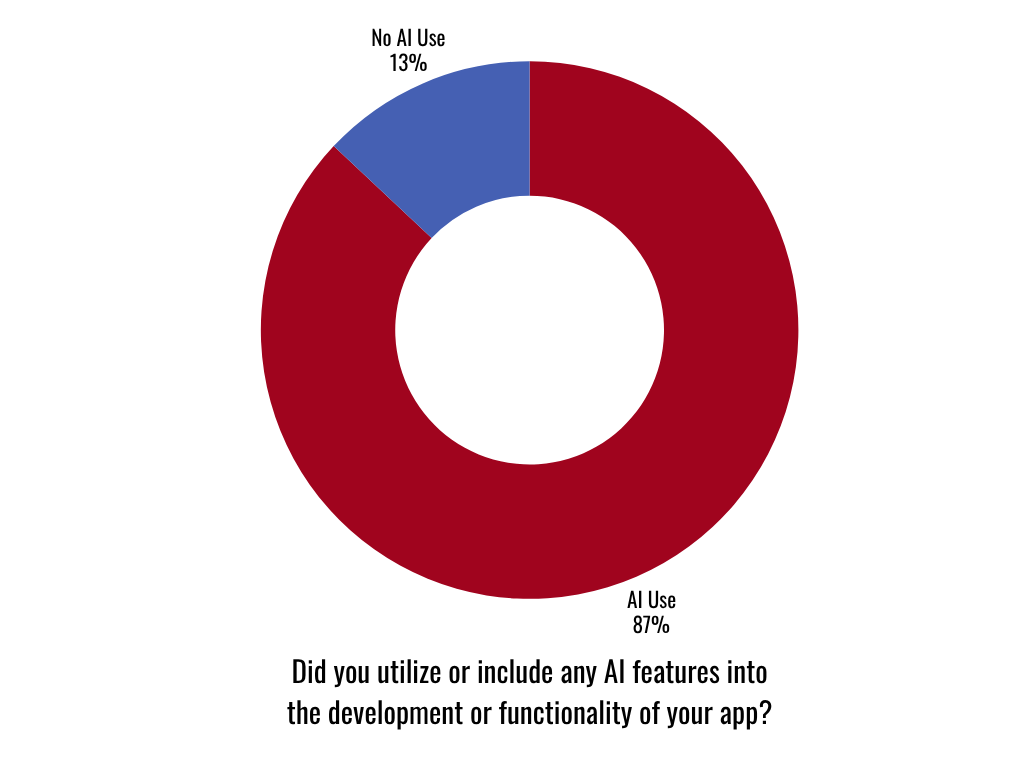
Nearly 87% of applications submitted to the 2026 Congressional App Challenge reported using artificial intelligence in their creation, development, or functionality. That represents a dramatic increase over the past two years. On the CAC’s annual post-Challenge survey, the share of respondents reporting AI use rose from approximately 40% in 2024 to 57% in 2025 and 83% in 2026.
Students described using AI in a variety of ways, including learning new programming concepts,
brainstorming ideas, troubleshooting errors, generating code, designing interfaces, and incorporating AI-powered features directly into their applications.
“And I learned that using AI doesn’t mean it does everything for you. I still had to figure out what I wanted, explain it clearly, test it, and catch when something was wrong.” – Huiseong S. (OH-01)
The tools themselves have also diversified. Claude was the most frequently mentioned AI assistant in student disclosures, followed by ChatGPT and Gemini. Students also reported using specialized coding and development tools including OpenAI Codex, GitHub Copilot, Cursor, Replit, and Lovable.
The growth of AI-assisted programing raises important questions about how students develop technical skills and what it means to learn programming in an era when increasingly sophisticated applications can be built with AI assistance. Student disclosures reflect a broad range of approaches, from using AI as a learning and debugging resource to relying on it to generate substantial portions of an application’s code.
The Congressional App Challenge permits students to use AI in their projects, provided they disclose its use, understand the technology behind their applications, and make meaningful technical contributions of their own. Interestingly, AI adoption is highest among students with more programming experience. More than 90% of students who entered the competition with good or expert coding skills
reported using AI, compared with 71% of students with no prior coding experience. AI use also increased substantially with grade level, reaching more than 92% among eleventh-grade participants.
These findings suggest that experienced young developers are enthusiastically incorporating AI into their existing workflows, using emerging technologies alongside their programming skills to develop increasingly sophisticated projects.
Students Are Increasingly Building Apps Independently
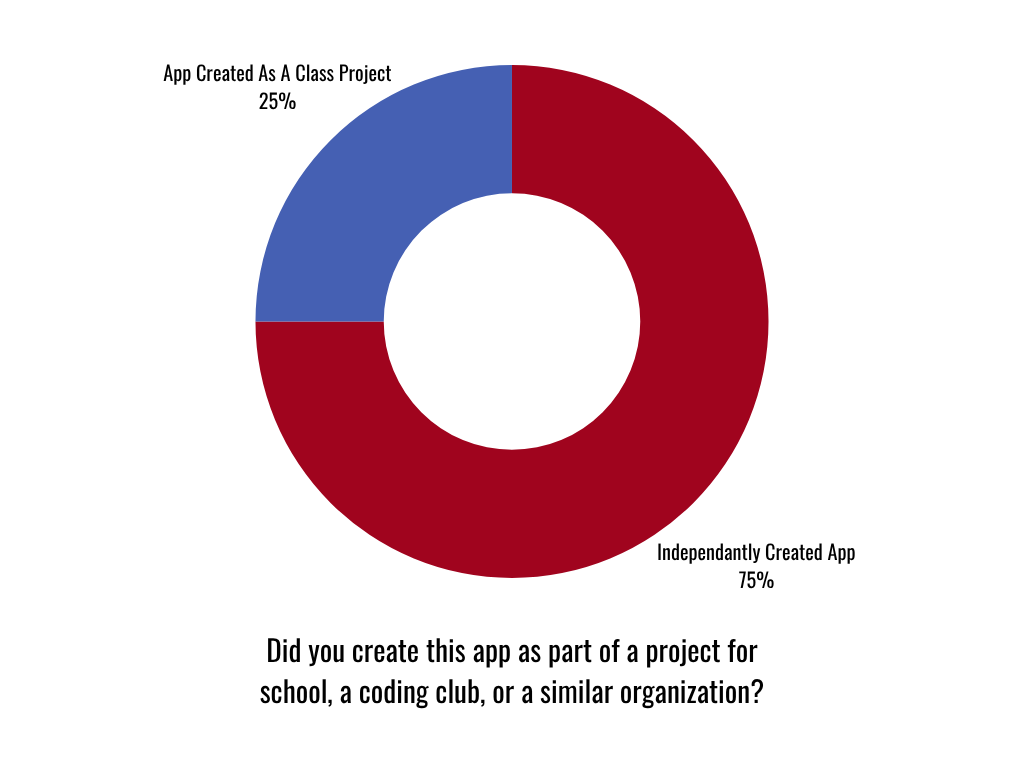
Another significant development in the 2026 Challenge is the growing share of students pursuing software development outside formal classroom assignments or organized programs.
Nearly 75% of submitted applications were developed independently of a school assignment, coding club, or similar organization. That’s a substantial increase from 61% in 2025 and just 52% in 2024.
The distinction is particularly interesting when examining AI adoption. Among independently developed projects, 95% reported using AI, compared with 62% of projects developed through schools or clubs. Similarly, approximately 95% of students who primarily coded at home reported using AI, compared with 41% of those who primarily coded at school.
These differences may reflect school policies, curriculum requirements, access to technology, or the flexibility students have when developing projects independently. They also highlight the importance of understanding how students encounter new technologies in different learning environments.
The post-Challenge survey offers additional insight into how students are developing their skills. Free online resources remained the most commonly cited primary source of help learning to build an application, selected by approximately 40% of respondents in each of the past three years. During that same period, the percentage identifying a school computer science class as their primary source declined from 39% in 2024 to 28% in 2026.
“Before this challenge I had never coded before, but I had the desire to create something that could help people in need.” – Jency P. (NY-18)
Students are also investing more time in their projects. The median amount of time respondents reported spending coding their applications increased from 35 hours in 2024 to 40 hours in 2025 and 49 hours in 2026. More than one in four respondents reported spending at least 100 hours developing their projects this year.
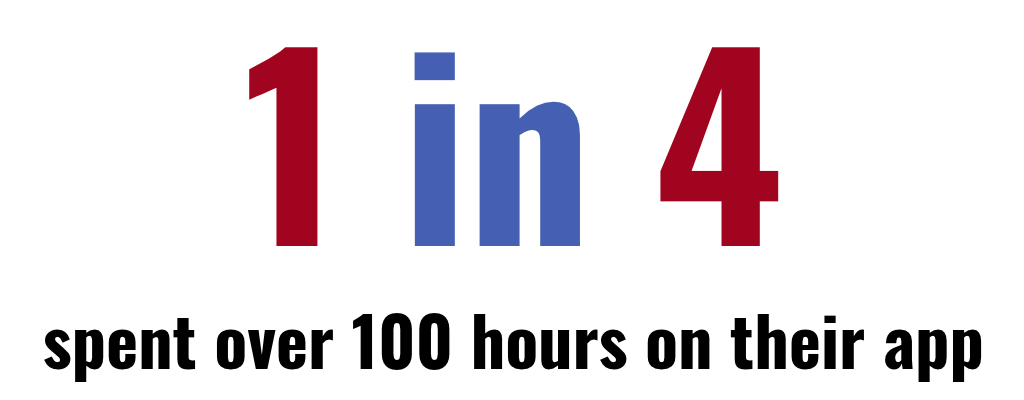
That increase is particularly noteworthy given the rapid adoption of AI-assisted coding tools during the same period. While the data does not establish a direct relationship between AI use and development time, it suggests that students continue to invest substantial effort in their applications as new technologies change the way software is built.
Taken together, these trends point to a changing landscape for computer science education. Students have access to an expanding range of tools, learning resources, and development platforms, and a growing share of CAC participants are choosing to put those resources to use on projects of their own.
A Growing Focus on Civic Engagement and Social Good
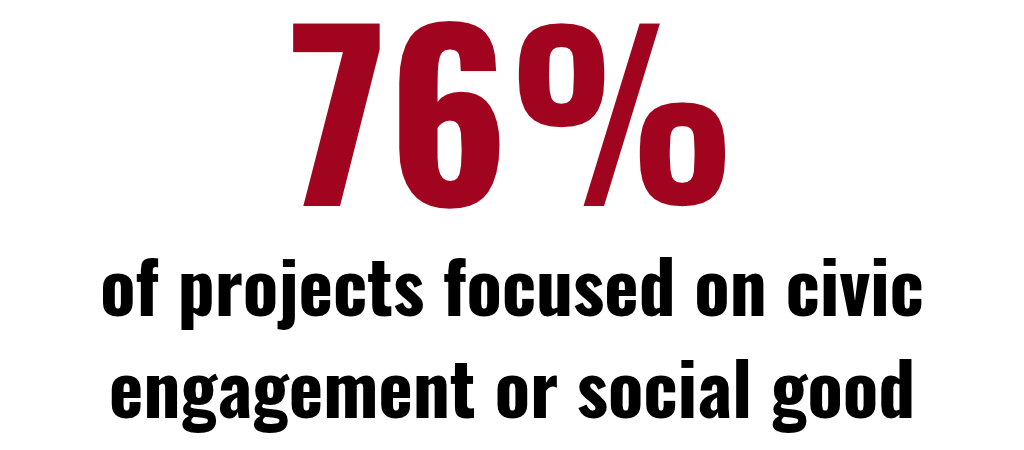
While the tools students use continue to evolve, the issues they choose to address remain closely connected to their everyday experiences.
More than 76% of students responding to the 2026 post-Challenge survey identified their applications as focused on civic engagement or social good, up
from approximately 69% in 2024 and 70% in 2025. Education and health were among the most popular application categories, with more than 1,400 submissions identifying as education applications and more than 1,200 focused on health or medical issues.
Each year, students bring an extraordinary range of interests and experiences to the competition. Many identify challenges in their schools, families, or communities and develop original software solutions to address them. Others explore new technologies or create tools designed to make everyday activities easier, more accessible, or more engaging.
The Congressional App Challenge gives students a unique opportunity to share these ideas directly with their elected representatives. Participating Members of Congress recognize winning applications from their districts, elevating the importance of computer

science education and celebrating young innovators in communities nationwide. The experience also continues to inspire students to pursue future opportunities in technology. Among respondents to the 2026 post-Challenge survey, 93% said they were likely to continue coding, 94% said they would consider pursuing a career in science, technology, engineering, or mathematics (STEM), and 90% said
they would recommend participating in the Congressional App Challenge to a friend. All three measures have increased since 2024, when approximately 87% of respondents said they intended to continue coding and 89% expressed interest in a STEM career.
For some participants, the Challenge is their first opportunity to build an original application. Others enter with years of programming experience and use the competition to explore emerging technologies, collaborate with teammates, and tackle more ambitious projects. In either case, the program provides an opportunity for students to put their skills into practice and receive recognition for their accomplishments.
Looking Ahead
With the submission period complete, participating congressional offices are now reviewing applications and selecting their 2026 district winners. Each office oversees its own evaluation process, which may include volunteer judges from the technology, education, and business communities, congressional staff, or Members of Congress themselves.
Winning students will be recognized by their Members of Congress by December 31 and invited to participate in national recognition opportunities, including House of Code, which will take place in Washington, D.C., in April 2027. The annual celebration brings winning students to the U.S. Capitol to demonstrate their applications, meet fellow young developers from across the country, and connect with Members of Congress and leaders in technology and education.

As the Congressional App Challenge continues to grow, the program remains focused on providing students with opportunities to explore computer science, develop practical skills, and discover what they can accomplish through technology.
The results from 2026 offer an encouraging picture of the next generation of American innovators. Students are embracing emerging technologies, taking greater initiative in their own technical education, investing significant time in developing their ideas, and increasingly applying those skills to challenges facing their communities.
We look forward to recognizing this year’s district winners and sharing the remarkable applications they have developed.
Congratulations to every student who participated in the 2026 Congressional App Challenge, and thank you to the Members of Congress, educators, parents, judges, volunteers, and partners who helped make this year’s competition possible.
The Congressional App Challenge is officially coordinated for the U.S. House of Representatives by the Internet Education Foundation. The following organizations provide financial and programmatic support to IEF to help administer the Challenge and expand opportunities for participating students.